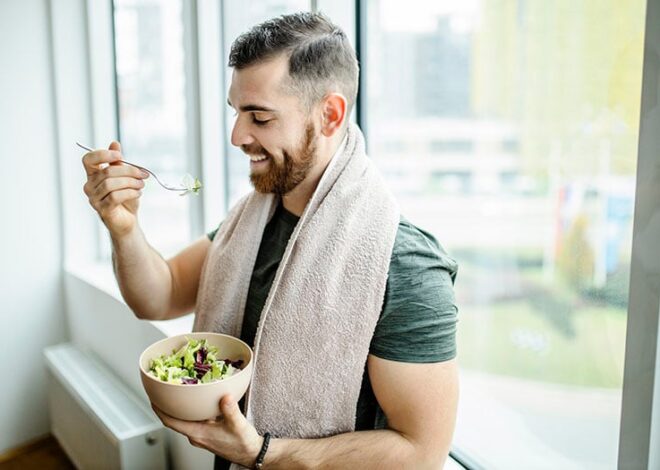
Nutrition Strategies That Support a Bodypump Class: What to Eat Before and After Training
Strength training results are shaped not only by what happens in the gym, but also by what happens at the table. Nutrition plays a critical role in energy levels, muscle endurance, recovery speed, and long term progress. For participants attending a bodypump class, food choices can directly influence how strong, focused, and resilient the body feels during and after each session.
In Singapore, where busy schedules, late work hours, and frequent dining out are common, nutrition needs to be practical as well as effective. This article explores how to fuel Bodypump training intelligently without restrictive dieting, focusing on real life eating habits that support performance, recovery, and consistency.
Understanding the Energy Demands of Bodypump
Bodypump combines resistance training with sustained movement, which places unique demands on the body. Unlike heavy lifting sessions that rely heavily on short bursts of power, Bodypump requires steady energy over an extended period.
During a typical session, the body uses:
-
Carbohydrates for sustained muscular effort
-
Protein to protect muscle tissue from breakdown
-
Fluids and electrolytes to maintain performance
-
Micronutrients that support muscle contraction and recovery
Eating patterns that support these needs help participants train harder while feeling less fatigued.
Why Timing Matters More Than Restriction
One of the biggest nutrition mistakes among group fitness participants is under eating, especially before training. Skipping meals or relying solely on caffeine can reduce performance and increase injury risk.
Bodypump responds best to:
-
Adequate fuel before class
-
Balanced nutrition after class
-
Consistent daily intake rather than extreme restriction
The goal is not to eat less, but to eat smarter.
What to Eat Before a Bodypump Session
Pre workout nutrition should focus on providing steady energy without causing digestive discomfort. Ideally, food should be consumed one to three hours before class, depending on portion size.
Effective pre workout options include:
-
Brown rice with grilled chicken and vegetables
-
Wholegrain toast with eggs
-
Oats with fruit and yoghurt
-
Bananas with a small portion of nuts
These meals provide carbohydrates for energy and protein to support muscle function.
Quick Pre Class Snacks for Busy Days
When time is limited, smaller snacks consumed 30 to 60 minutes before class can still improve performance.
Good quick options include:
-
A banana or apple
-
Low fat yoghurt
-
A slice of wholegrain bread
-
A smoothie with fruit and protein
The key is avoiding heavy, greasy foods that slow digestion and reduce comfort during training.
Hydration and Electrolyte Balance
Hydration is often overlooked, yet it has a major impact on strength endurance and coordination. Bodypump involves continuous movement, which leads to fluid loss through sweat.
Hydration guidelines include:
-
Drinking water consistently throughout the day
-
Consuming fluids before class rather than during only
-
Rehydrating after class based on sweat levels
For individuals who sweat heavily, adding electrolytes can help maintain muscle function and reduce post workout fatigue.
Post Workout Nutrition for Recovery and Adaptation
After a Bodypump class, the body shifts into recovery mode. Muscles need nutrients to repair and adapt, and energy stores need replenishment.
An effective post workout meal includes:
-
Protein to support muscle repair
-
Carbohydrates to restore energy
-
Fluids to replace losses
Examples of balanced post workout meals:
-
Rice or noodles with lean protein and vegetables
-
Quinoa salad with tofu or fish
-
Eggs with wholegrain bread and fruit
-
Protein smoothie with oats and berries
Eating within two hours after training supports faster recovery and reduces next day soreness.
Protein Intake Without Overcomplication
Protein is essential for maintaining lean muscle, especially with frequent Bodypump training. However, excessive protein intake is unnecessary.
General guidelines include:
-
Spreading protein intake evenly across meals
-
Choosing lean protein sources
-
Including both animal and plant based options
Practical protein sources in Singapore include:
-
Chicken, fish, eggs
-
Tofu, tempeh, lentils
-
Greek yoghurt, milk
-
Beans and chickpeas
Consistency matters more than exact numbers.
Carbohydrates and Bodypump Performance
Carbohydrates are often misunderstood, yet they are the primary fuel for Bodypump workouts. Restricting carbs can lead to early fatigue and reduced strength endurance.
Choosing the right carbohydrates means:
-
Prioritising wholegrain and minimally processed options
-
Timing higher carb meals around training
-
Adjusting portions based on activity level
Carbs support not just performance but also mood and focus during workouts.
Managing Body Composition Without Extreme Dieting
Many Bodypump participants aim to improve body composition by increasing muscle tone and reducing excess fat. This does not require severe calorie restriction.
Sustainable strategies include:
-
Eating balanced meals consistently
-
Supporting training with adequate fuel
-
Allowing occasional flexibility without guilt
-
Focusing on long term habits rather than short term results
Strength based training combined with proper nutrition naturally supports metabolic health.
Eating Out While Supporting Training Goals
Dining out is part of daily life in Singapore. It is possible to enjoy meals outside while still supporting Bodypump performance.
Smart dining strategies include:
-
Choosing grilled or steamed protein options
-
Balancing meals with vegetables and carbohydrates
-
Avoiding excessive sauces when possible
-
Staying hydrated before and after meals
Perfection is not required. Awareness and moderation are enough.
Supplements and Bodypump Training
Supplements are not mandatory for Bodypump participants. Most nutritional needs can be met through whole foods.
If supplements are used, simple options include:
-
Protein powder for convenience
-
Electrolytes for heavy sweaters
-
Omega three sources for general health
Supplements should complement, not replace, balanced meals.
Supporting Consistency Through Practical Nutrition
Nutrition should make training easier, not harder. Simple, repeatable eating patterns support consistency and reduce decision fatigue.
At True Fitness Singapore, many Bodypump participants focus on sustainable habits that fit real lifestyles rather than rigid meal plans. This approach supports long term success both inside and outside the gym.
Long Term Benefits of Eating to Support Bodypump
When nutrition aligns with training demands, participants often experience:
-
Improved energy during workouts
-
Faster recovery between sessions
-
Better strength endurance
-
More stable mood and focus
These benefits reinforce consistency and enjoyment, which are key to long term fitness success.
FAQ
Q: Should I train Bodypump on an empty stomach?
A: Training without fuel may reduce performance and increase fatigue. A light snack before class is recommended for most people.
Q: How much protein do I need if I attend Bodypump regularly?
A: Moderate protein intake spread across meals is sufficient. Exact amounts depend on body size and activity level.
Q: Are carbohydrates necessary for Bodypump training?
A: Yes. Carbohydrates support sustained energy and strength endurance during high repetition workouts.
Q: Can I lose fat while eating enough to fuel Bodypump?
A: Yes. Balanced nutrition combined with consistent training supports healthy body composition changes over time.
Q: Is it okay to eat late after an evening Bodypump class?
A: Yes. A balanced meal after training supports recovery and does not negatively impact results when portions are appropriate.