How to Properly Store Spices for Long-Lasting Flavor
Spices are the backbone of flavorful cooking. Whether you are preparing everyday meals or experimenting with new cuisines, properly stored spices can dramatically improve the taste and aroma of your dishes. Unfortunately, many people unknowingly store spices in ways that cause them to lose their potency quickly.
Exposure to air, heat, light, and moisture can degrade spices over time. By following a few simple storage practices, you can keep your spices fresh, aromatic, and ready to elevate your cooking for much longer.
Why Proper Spice Storage Matters
Spices contain delicate essential oils responsible for their flavor and fragrance. When spices are exposed to environmental elements, these oils break down, causing spices to become dull and ineffective.
Proper storage helps to:
- Preserve flavor intensity
- Maintain aroma and color
- Extend the shelf life
- Prevent contamination and moisture damage
- Reduce unnecessary food waste
Keeping spices in the right conditions ensures that every pinch delivers the intended flavor.
Factors That Affect Spice Freshness
Understanding what causes spices to deteriorate will help you store them more effectively.
1. Air Exposure
Oxygen gradually breaks down the compounds that give spices their aroma. Frequent opening of containers or poorly sealed jars can accelerate flavor loss.
2. Heat
High temperatures cause spices to lose their essential oils more rapidly. Storing spices near stoves, ovens, or direct sunlight significantly reduces their lifespan.
3. Light
Direct sunlight or bright kitchen lighting can degrade spices, causing them to lose both color and flavor.
4. Moisture
Humidity and steam can cause spices to clump, mold, or spoil, especially ground spices.
Best Containers for Storing Spices
Choosing the right containers is one of the most important aspects of spice storage.
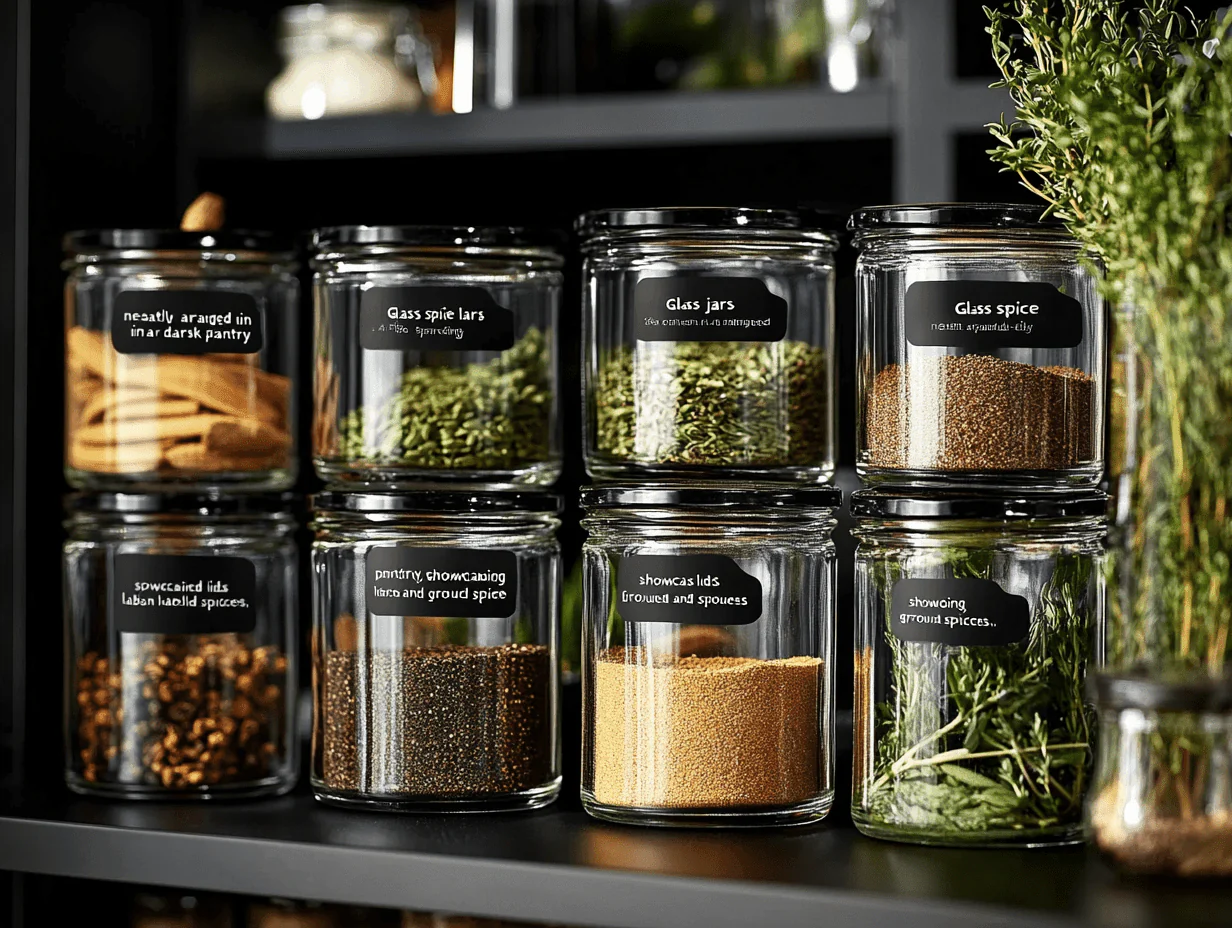
Airtight Glass Jars
Glass jars with tight lids are ideal because they:
- Prevent air exposure
- Do not absorb odors
- Allow easy visibility of contents
Stainless Steel or Metal Tins
Metal containers protect spices from light while keeping them sealed tightly.
Magnetic Spice Containers
Magnetic jars attached to racks or refrigerators can save space while keeping spices organized and accessible.
Tip: Avoid storing spices in thin plastic bags once opened, as they allow air and moisture to enter easily.
Ideal Places to Store Spices
Where you store spices is just as important as how you store them.
Pantry or Kitchen Cabinet
A cool, dark cabinet away from the stove is one of the best locations.
Spice Drawer
A drawer organizer keeps jars lying flat and protected from light.
Dedicated Spice Rack
Wall-mounted or cupboard racks work well as long as they are not placed near heat sources.
Avoid storing spices:
- Above the stove
- Near dishwashers or sinks
- On sunny windowsills
These areas expose spices to heat, steam, and light.
Whole Spices vs Ground Spices
The form of spices also affects their longevity.
Whole Spices
Whole spices retain their essential oils longer because the protective outer layer remains intact.
Examples include:
- Peppercorns
- Cinnamon sticks
- Cloves
- Cardamom pods
Whole spices can last 3–4 years when stored properly.
Ground Spices
Ground spices lose flavor faster because their surface area is exposed.
Common shelf life:
- Ground spices: 1–2 years
- Dried herbs: 1 year
- Spice blends: 6–12 months
Grinding whole spices fresh can significantly improve flavor in cooking.
Tips to Keep Spices Fresh Longer
Simple habits can make a big difference in maintaining spice quality.
Use small containers
Buying or storing spices in smaller quantities prevents them from sitting unused for years.
Label and date jars
Always label spices with the purchase or refill date to track freshness.
Use dry utensils
Never dip wet spoons directly into spice jars to prevent moisture contamination.
Close lids immediately
Leaving containers open allows aroma compounds to escape quickly.
Buy whole spices when possible
Grinding spices as needed preserves their flavor and potency.
Signs Your Spices Have Gone Stale
Spices rarely spoil in a dangerous way, but they can become ineffective.
Look for these signs:
- Faded color
- Weak or no aroma
- Flat or dull taste
- Clumping from moisture
A quick test is to rub a small amount between your fingers. If the aroma is faint, it is likely time to replace the spice.
Organizing Your Spice Collection
Keeping spices organized helps prevent duplicates and forgotten jars.
Helpful organization ideas include:
- Alphabetical arrangement
- Grouping by cuisine (Indian, Italian, Mexican)
- Labeling jar tops for easy drawer storage
- Using tiered racks for better visibility
Regularly reviewing your spice collection ensures everything stays fresh and usable.
Frequently Asked Questions (FAQ)
1. How long do spices usually last?
Whole spices can last 3–4 years, while ground spices typically remain flavorful for 1–2 years when stored correctly.
2. Should spices be refrigerated?
Refrigeration is generally unnecessary and can introduce moisture when jars are opened. A cool, dark cabinet is usually the best place.
3. Is it safe to use expired spices?
Yes, in most cases they are safe to use. However, they may have lost much of their flavor and aroma.
4. What is the best container material for spices?
Airtight glass jars are widely considered the best option because they prevent air exposure and do not retain odors.
5. Why do spices lose their flavor over time?
Flavor compounds in spices gradually break down due to exposure to oxygen, heat, light, and humidity.
6. Should spices be stored whole or ground?
Whole spices last significantly longer. Grinding them just before use provides stronger flavor and aroma.
7. How can I tell if my spices are still fresh?
Rub a small amount between your fingers. If the spice releases a strong aroma and vibrant color, it is still fresh.

Related Posts

How to Fix Oversalted or Burnt Food

Healthy Cooking Essential