
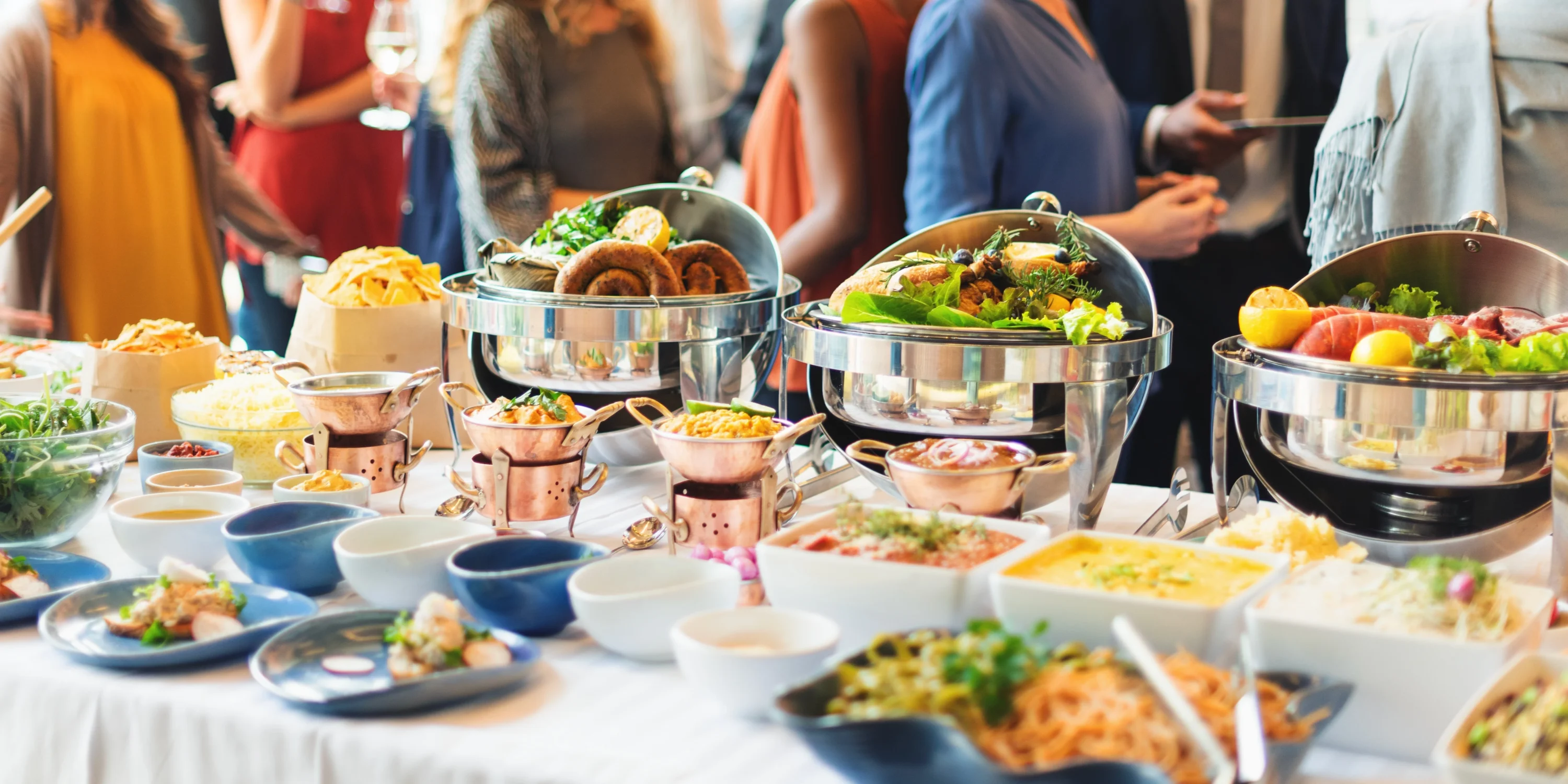
Catering Menu Planning Tips for Large Gatherings
Planning a menu for a large gathering requires more than simply selecting popular dishes. Whether it’s a wedding, corporate event, family celebration, or community festival, the food experience often becomes the highlight of the occasion. A well-planned catering menu ensures guests remain satisfied, dietary needs are respected, and service runs smoothly from start to finish.
From balancing flavors to estimating portion sizes, thoughtful preparation helps avoid waste, delays, and unnecessary stress. The following tips will help you design a catering menu that keeps guests happy while making the event easier to manage.
Understand the Event Type and Audience
Before choosing any dishes, identify the nature of the event and the type of guests attending. The menu for a business conference will differ greatly from a birthday celebration or wedding reception.
Consider these factors:
- Event style: formal dinner, buffet, cocktail party, or casual gathering
- Guest demographics: age groups, cultural preferences, and food habits
- Event duration: longer events may require multiple food services
- Season and location: outdoor summer events need lighter options
Understanding your audience helps create a menu that feels appropriate and enjoyable for everyone attending.
Choose a Balanced Menu
A successful catering menu offers variety without overwhelming guests. Balance different food categories so everyone can find something they enjoy.
A well-rounded menu typically includes:
- Appetizers or starters
- Main dishes with protein options
- Vegetarian or plant-based alternatives
- Side dishes and salads
- Desserts
- Beverages
Avoid repeating similar flavors or cooking styles. For example, combining grilled, baked, and fresh dishes creates a more interesting meal experience.
Estimate Portions Accurately
One of the biggest challenges in catering large events is predicting how much food to prepare. Too little food leaves guests unsatisfied, while too much leads to waste.
Helpful portion guidelines include:
- Appetizers: 4–6 pieces per person for short events
- Buffet meals: 2–3 main dishes and 3–4 sides
- Desserts: 1–2 options with moderate portions
- Beverages: about 2 drinks per guest per hour
Working with experienced caterers can improve accuracy because they understand typical consumption patterns for large groups.
Consider Dietary Restrictions
Modern events often include guests with different dietary needs. Ignoring these requirements can make some attendees feel excluded.
Common dietary considerations include:
- Vegetarian or vegan diets
- Gluten-free options
- Nut allergies
- Dairy intolerance
- Religious dietary restrictions
Labeling dishes clearly and offering alternative options ensures everyone can eat comfortably and safely.
Plan for Efficient Service
The structure of your catering menu should match the serving style of the event. Large gatherings require efficient food distribution to prevent long lines and delays.
Popular serving styles include:
Buffet Service
- Allows guests to choose what they want
- Works well for events with diverse tastes
- Requires adequate table space and staff supervision
Plated Service
- Offers a more formal dining experience
- Controls portion sizes effectively
- Requires more staff and coordination
Food Stations
- Different stations feature specific cuisines or dishes
- Encourages guest interaction and movement
- Ideal for large social gatherings
Selecting the right service format can improve guest flow and enhance the overall experience.
Use Seasonal and Local Ingredients
Menus designed around seasonal ingredients often taste fresher and cost less. Seasonal produce is also easier to source in large quantities.
Benefits of seasonal menu planning include:
- Better flavor and freshness
- Reduced catering costs
- Support for local suppliers
- Environmentally friendly sourcing
For example, summer gatherings may feature fresh salads and grilled vegetables, while winter events often include hearty soups and roasted dishes.
Keep the Menu Manageable
Large events may tempt planners to include dozens of dishes. However, simplicity often works better when feeding many people.
A focused menu:
- Maintains food quality
- Simplifies kitchen preparation
- Speeds up service
- Reduces logistical complications
Instead of offering too many options, select a few well-prepared dishes that appeal to a broad audience.
Plan the Flow of Courses
For longer events, food should be spaced appropriately so guests remain satisfied throughout the occasion.
Example event flow:
- Welcome appetizers or finger foods
- Main meal or buffet service
- Dessert or sweet station
- Late-night snacks for extended events
This structure keeps guests energized and prevents overcrowding at food stations.
Work Closely with the Catering Team
Professional caterers bring valuable expertise to menu planning. Their experience with portion sizes, logistics, and kitchen capacity can prevent common mistakes.
When collaborating with caterers:
- Discuss the event timeline and guest count early
- Review sample menus and tasting options
- Confirm equipment and staffing requirements
- Plan backup dishes in case ingredients become unavailable
Good communication ensures your menu is both practical and memorable.
FAQs
1. How far in advance should a catering menu be planned for large events?
Ideally, menu planning should begin 4–8 weeks before the event. Large gatherings require time for ingredient sourcing, staffing, and logistics.
2. What is the best catering style for events with hundreds of guests?
Buffet service or food stations are usually the most efficient because they serve many guests quickly while offering variety.
3. How many menu items should be offered at a large event?
A balanced menu often includes 2–3 main dishes, 3–4 sides, 2 appetizers, and 1–2 desserts. Too many options can complicate service.
4. How can food waste be minimized at catered events?
Accurate guest counts, portion planning, and choosing versatile dishes help reduce leftover food and control costs.
5. Should catering menus include vegetarian or vegan options?
Yes. Providing plant-based options ensures guests with dietary preferences or restrictions can enjoy the meal.
6. What factors influence catering costs the most?
Major cost factors include menu complexity, ingredient quality, service style, guest count, and staffing requirements.
7. How can hosts ensure food safety during large gatherings?
Working with licensed caterers, maintaining proper food temperatures, and following hygiene standards help prevent contamination and foodborne illnesses.

